Written by Cathy Ye & Erica Ogodo Photos by Mio Zheng Illustrations by Allyson Reyes
The most sought-after toys today are oddly unsettling—and that’s no accident. Labubu and Crybaby, for example, aren’t traditionally cute. Their features are exaggerated, and their expressions, slightly off. Yet, they sell out almost instantly.
It’s tempting to call it a Gen Z thing and dismiss it as an online trend, but the fascination with strange toys runs deeper. If you look far enough, you’ll see that every generation, from Baby Boomers to Millennials and now Gen Z, has been drawn to something just a little bit… creepy. “Creepy toys” of past decades show up almost everywhere—not as isolated oddities, but as a pattern that repeats across generations.
Some toys didn’t even need to look strange to create an obsession. Beanie Babies are the clearest example. Even before Beanie Babies became popular, Cabbage Patch Kids had already sparked something similar. They set off full-blown shopping chaos. Parents lined up overnight, fought in aisles, and treated each doll like a once-in-a-lifetime find. They weren’t just bought—they were “adopted,” named, and cared for like real children. By the time Beanie Babies came along, that emotional intensity remained. The dolls became smaller and simpler, but urgency and scarcity persisted. Rare ones were bragging rights.
Some toys leaned into unease. Furby is the obvious one. It would “wake up” on its own, speak in half-sentences, and blink at you like it was reacting to something you couldn’t see. Kids thought it was fun. Adults weren’t always so sure.
There’s also a third group: older dolls, animatronic pets, and troll dolls. Neither fully cute nor disturbing, they sit in that intriguing middle space.
The details may change, but the pattern stays: toys don’t need to be conventionally cute to become popular.
The Rise of Labubu and Crybaby
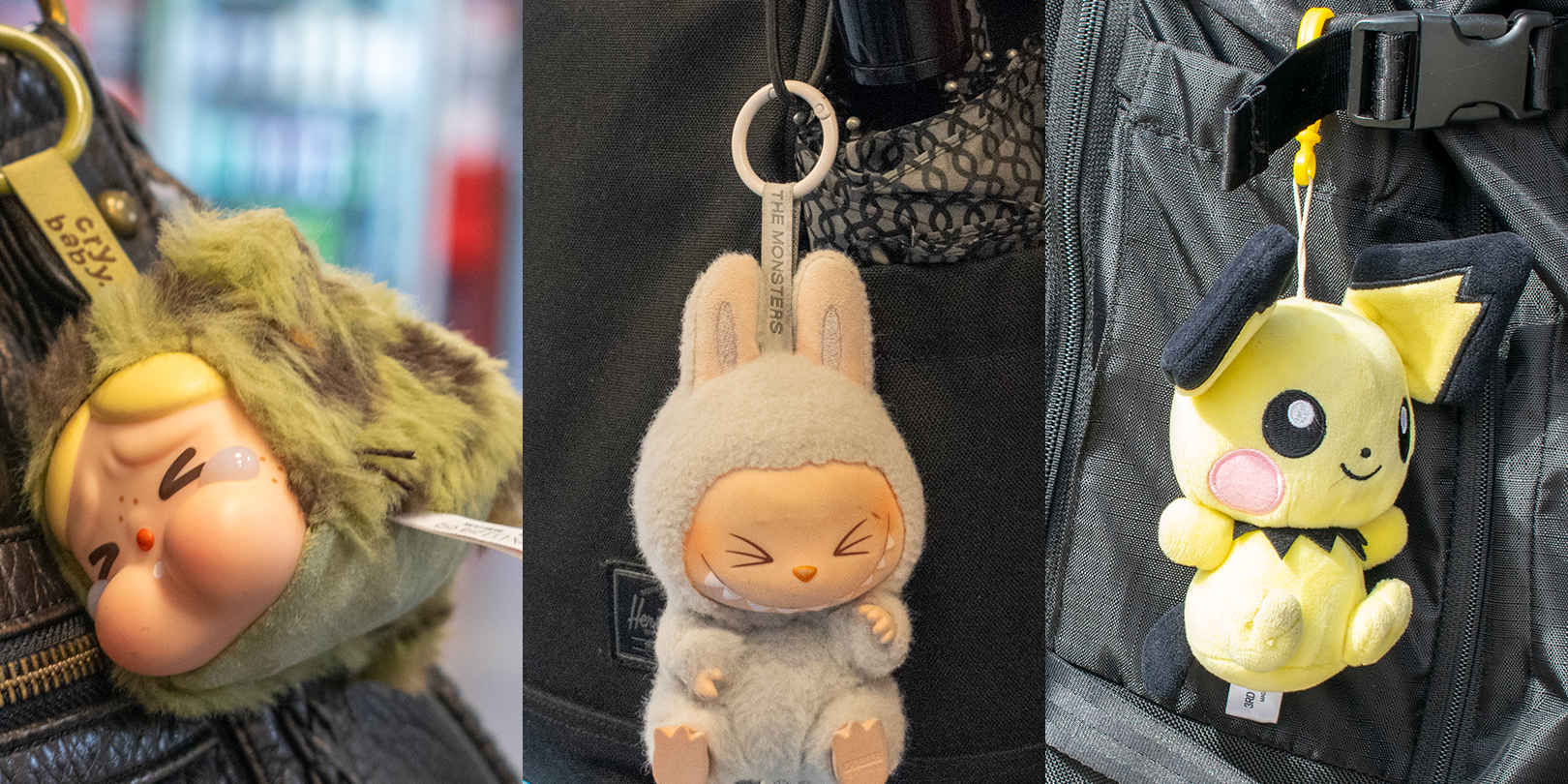
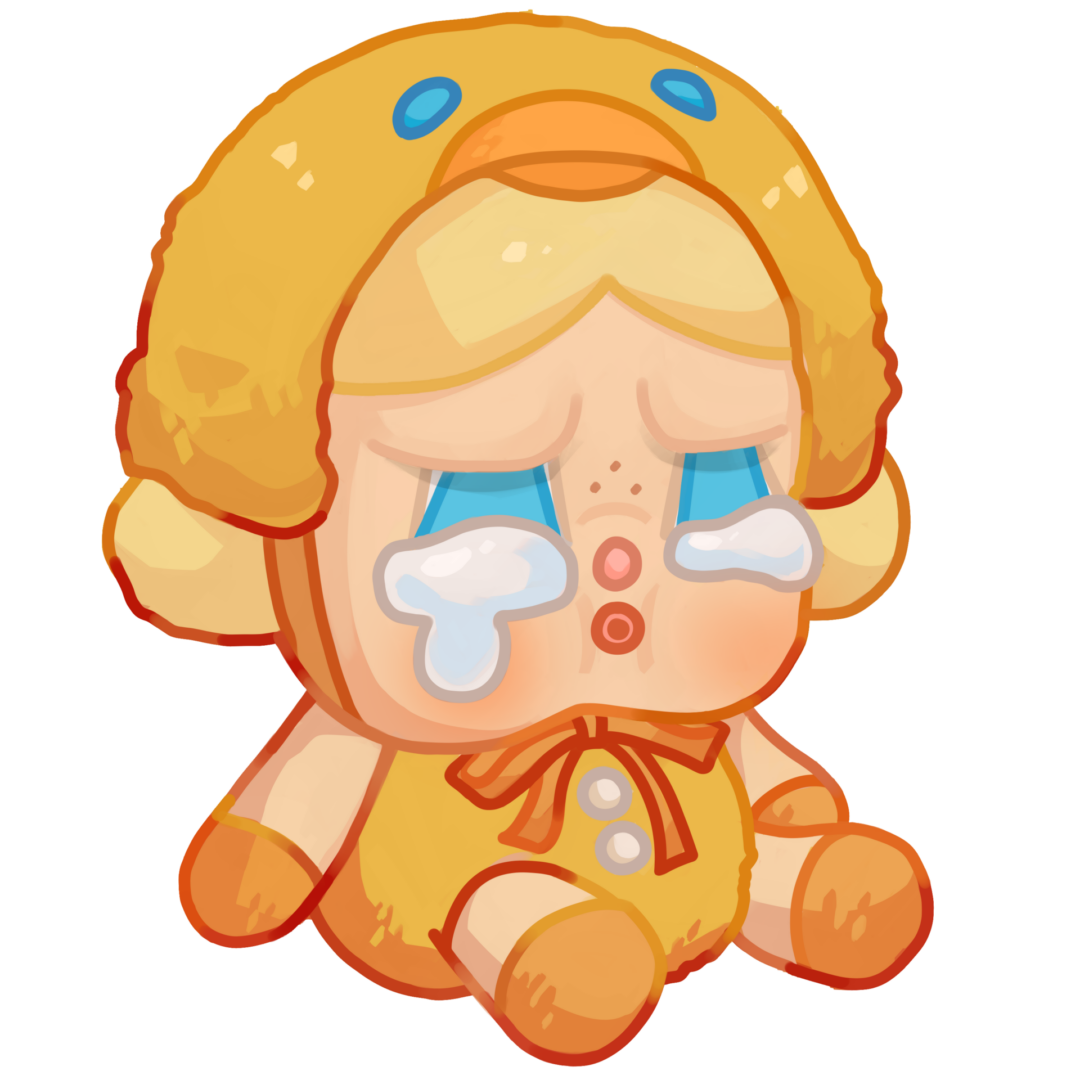
Fast forward to today’s version of creepy toys, which you’ve probably seen dangling from backpacks and featured in viral unboxing videos. Characters like Labubu, with its sharp teeth and mischievous grin, and Crybaby figurines with teary faces and dramatic expressions embody the “ugly-cute” aesthetic.
More than simple toys, these are collectibles. Often sold as blind boxes, each piece belongs to a series, sometimes with its own narrative, turning them into prized possessions. Celebrity and influencer endorsements on social media have fueled their popularity. Suddenly, owning them feels like a symbol of belonging, validation, and status.
Why Is This Phenomenon Reoccurring?
The resurgence of creepy toys isn’t random. Toys often mirror the emotional and cultural climate of their time. Psychologically, people are drawn to items that feel unique and imperfect. Perfectly cute and pretty designs can feel fake or distant, but people identify with toys that subvert expectations of what a plush should look like.
For younger generations, the appeal runs deeper. These toys resonate because they celebrate individuality and self-expression. They carry the message that you don’t have to be perfect to be lovable, and you don’t have to fit in to belong. That’s why characters with nonconventional features gain appeal—their quirks and imperfections add to their charm.
The Psychological Appeal of Blind Boxes
A major driver of this craze is the blind box model itself. Built on unpredictability, blind boxes tap into anticipation and reward. Not knowing what’s inside makes it exciting, and opening one gives you a small dopamine boost. The possibility of finding a rare figure or a desired piece in the collection keeps people coming back, creating an addictive loop of anticipation, surprise, and reward.
This effect is amplified by social media. Seeing others unbox rare finds adds desire and indirect pressure to keep up. On the flip side, we also feel validated when others react to our wins, like completing a collection or scoring a rare item. Collecting becomes a communal experience, driven by shared excitement and the desire to belong.
For Gen Z, there’s another layer. In times of economic unrest and uncertainty, people resort to spending money on small, affordable items as splurges to maintain a sense of control and indulgence. This is known as the “lipstick effect,” and blind boxes have become Gen Z’s lipstick.
Conclusion
In the end, the toys themselves aren’t really the point. They’re all simply different versions of the same impulse. And maybe that’s because these objects do more than we give them credit for. They hold things we don’t always say: comfort, anxiety, control, even the need to feel something familiar in a shifting world.
What changes is the context. Today’s versions are shaped by algorithms, scarcity, and a push toward aesthetics that feel imperfect on purpose. We keep returning to these toys because they make things feel more manageable—something small and strange you can hold when everything else feels harder to pin down.
Maybe that’s all they’ve ever been—reflections of what each generation is trying to make sense of at a particular moment in time.
References
-
- (September 14, 2023). Cabbage Patch Kids: The 1980s Doll Craze. Survival World. https://www.survivalworld.com/culture/if-you-grew-up-in-the-80s-you-definitely-wanted-these-20-gadgets/
-
- (1998). Furby (1998). Official Furby Wiki. https://officialfurby.fandom.com/wiki/Furby_(1998)
-
- Chan, Adelyn. “The Evolution of ‘Ugly-Cute’ Toys Continues to Spark Trends.” Scot Scoop News. November 16, 2025. https://scotscoop.com/the-evolution-of-ugly-cute-toys-continues-to-spark-trends/.
-
- Chan, Eugene. “Blind Box Toys Are Booming: Are They Just Child’s Play or Something More Concerning?” Toronto Metropolitan University. June 2, 2025. https://torontomuresearch.com/blind-box-toys-are-booming-are-they-just-childs-play-or-something-more-concerning/.
-
- Explainers, S. (2025). Time Capsule: From Beanie Babies to Labubu, Psychology Sells. Shortform. https://www.shortform.com/article/time-capsule-from-beanie-babies-to-labubu-psychology-sells-shortform-explainers-shortform
-
- Garrett, Olivia. “Why Are All of 2025’s Viral Toys Ugly? The Psychological Reason behind Our Labubu Obsession.” MadeForMums. November 13, 2025. https://www.madeformums.com/news/2025-viral-ugly-toys/.
-
- Mittersinker, G. (2025). Toy Design Innovation in the Age of Screens & Grown-Up Fandom. Loft Design. https://www.loft.design/insights/toy-design-innovation-in-the-age-of-screens-grown-up-fandom
-
- N’tchoreret-Mbiamany, Josiane. “Sealed, Sold, Delivered: How Blind Boxes like Labubu Became a Viral Obsession.” CBC. June 26, 2025. https://www.cbc.ca/radio/thecurrent/blind-boxes-labubus-1.7569787.
-
- Public Libraries Singapore. “The Blind Box Boom: Why Everyone Is Going Crazy for Mystery Collectibles.” Medium. February 26, 2025. https://medium.com/publiclibrarysg/the-blind-box-boom-why-everyone-is-going-crazy-for-mystery-collectibles-6eca0298424c.
-
- Wong, Audrey. 2026. “Labubus Are the New Lipstick Effect.” Ivey Business School. January 19, 2026. https://www.ivey.uwo.ca/hba/blog/2026/01/labubus-are-the-new-lipstick-effect/.